Raising Kindness Online, One Child at a Time
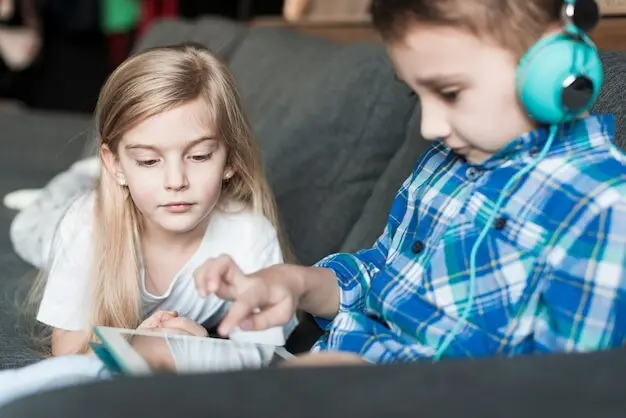
From Clicks to Kindness
Model it first
Let your child see you craft a considerate message, delete a snarky draft, and choose a patient tone when a delivery is late. Narration turns invisible judgment calls into teachable moments, building a calm inner voice they can take into every chatroom and classroom.
Create a shared pause
Agree on a household pause before posting: breathe, reread aloud, and imagine the recipient’s day. This tiny stoplight helps kids sense emotional context, recognize sarcasm, and replace impulsive jabs with questions, humor, or silence, which is often the most generous answer online.
Stories over lectures
Share your own cringe-worthy posts and the repair that followed. Describe apologies, edits, and the relief of making amends. Stories humanize mistakes, show growth is possible, and encourage kids to ask for help early, rather than hiding problems until they snowball.
The Family Digital Charter
The three-question pause
Circles of trust
Password craft
When Screens Spark Feelings
Name it, then plan it
Teach a quick script: I feel, I need, I will. For example, I feel embarrassed, I need a pause, I will mute and ask a trusted adult. Concrete words reduce overwhelm, align intentions with behavior, and interrupt reactive habits that harm relationships and confidence.
Screenshots and support
Normalize capturing evidence when chats turn cruel or confusing. Teach kids where to store files, who to tell, and how platforms report abuse. Emphasize they are never alone; a screenshot is not betrayal but a bridge to safety, fairness, and constructive accountability.

Tools That Teach, Not Trap
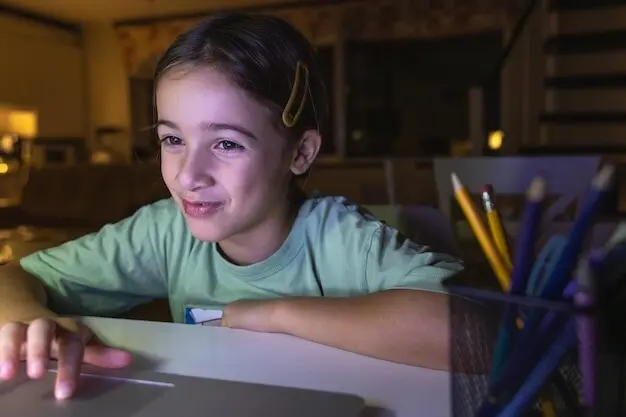
Empathy in Every Tap

All Rights Reserved.