Raising Kindness Online, One Child at a Time
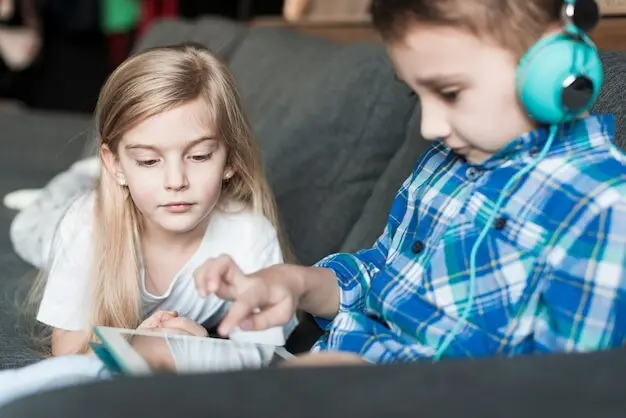
Today we focus on raising digitally polite kids, exploring practical parenting strategies for online behavior that blend empathy, boundaries, and joyful curiosity. Expect real stories, clear steps, and tools you can use tonight, so every comment, click, and share reflects kindness, courage, and responsibility. Share your family’s wins and questions, and subscribe to join parents practicing courageously kind clicks.

From Clicks to Kindness

Before apps and filters, children read our cues. When we greet a delivery driver kindly, pause before replying in a chat, or acknowledge mistakes openly, kids absorb the rhythm of respectful digital life. Start small, narrate your choices, and invite questions that transform curiosity into everyday, repeatable kindness.

Model it first

Let your child see you craft a considerate message, delete a snarky draft, and choose a patient tone when a delivery is late. Narration turns invisible judgment calls into teachable moments, building a calm inner voice they can take into every chatroom and classroom.

Create a shared pause

Agree on a household pause before posting: breathe, reread aloud, and imagine the recipient’s day. This tiny stoplight helps kids sense emotional context, recognize sarcasm, and replace impulsive jabs with questions, humor, or silence, which is often the most generous answer online.

Stories over lectures

Share your own cringe-worthy posts and the repair that followed. Describe apologies, edits, and the relief of making amends. Stories humanize mistakes, show growth is possible, and encourage kids to ask for help early, rather than hiding problems until they snowball.

The Family Digital Charter

Collaboratively crafting a living set of agreements transforms rules into shared values. When children help shape boundaries, they understand the why, remember the how, and follow through with pride. Revisit often, celebrate progress, and tweak language as platforms, friendships, and school expectations evolve.

The three-question pause

Before posting, teach three quick checks: Who can see this now and later, what details does it reveal about me or friends, and why am I sharing it? These prompts slow impulse, surface empathy, and sharpen judgment without shaming curiosity or creativity.

Circles of trust

Draw concentric circles to map audiences: family, classmates, teammates, public. Role-play what belongs where, including photos, achievements, frustrations, and jokes. Visualizing reach helps kids understand consent, reduce oversharing, and invite permission before tagging peers in tricky, high-emotion moments.

Password craft

Make memorable passphrases from silly family sayings, then add numbers and symbols. Test a manager app together and explain why reuse is risky. Celebrate wins when kids help grandparents update settings, turning knowledge into generosity and reinforcing the value of protective habits.

When Screens Spark Feelings

Online spaces can energize, confuse, and wound within seconds. Prepare children to notice bodily cues, name feelings, and choose actions aligned with values. Build routines for cooling down, saving evidence, and seeking help, so difficult interactions become moments of learning rather than spirals.

Name it, then plan it

Teach a quick script: I feel, I need, I will. For example, I feel embarrassed, I need a pause, I will mute and ask a trusted adult. Concrete words reduce overwhelm, align intentions with behavior, and interrupt reactive habits that harm relationships and confidence.

Screenshots and support

Normalize capturing evidence when chats turn cruel or confusing. Teach kids where to store files, who to tell, and how platforms report abuse. Emphasize they are never alone; a screenshot is not betrayal but a bridge to safety, fairness, and constructive accountability.

Tools That Teach, Not Trap

Parental controls work best as coaching aids, not secret surveillance. Explore dashboards together, explain why filters exist, and invite kids to help configure them. When tools are collaborative, children gain agency, understand boundaries, and practice self-regulation instead of dodging hidden tripwires.

Empathy in Every Tap

Digital citizenship grows from daily acts that make strangers feel seen and friends feel safe. Encourage thoughtful comments, credit creators, and defend peers respectfully. Practice humility when corrected, and show curiosity about different cultures, identities, and abilities, turning feeds into widening circles of care.
Zorinilotelitari
Privacy Overview

This website uses cookies so that we can provide you with the best user experience possible. Cookie information is stored in your browser and performs functions such as recognising you when you return to our website and helping our team to understand which sections of the website you find most interesting and useful.